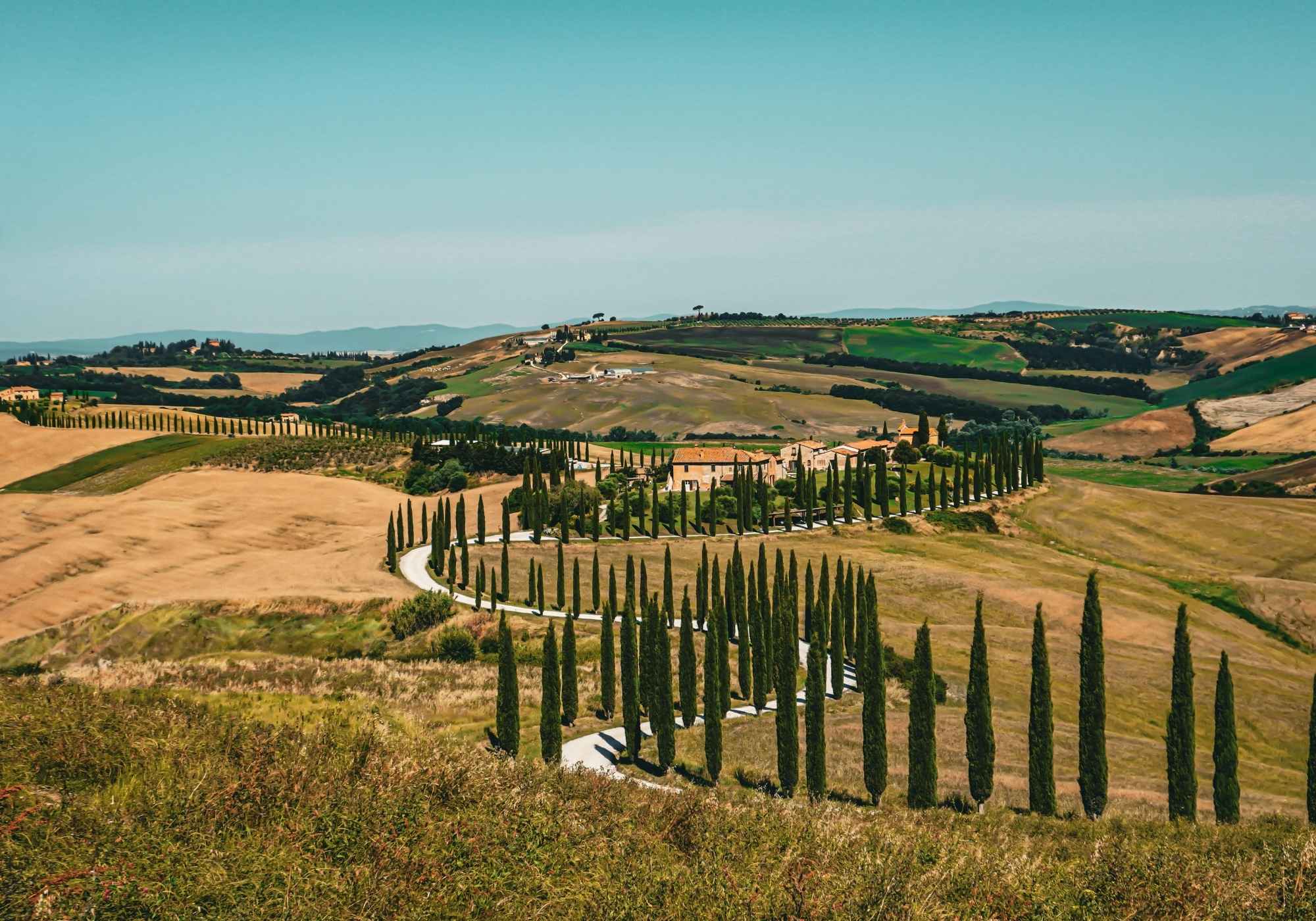
The Chianti Classico wine route — officially the SR 222, or “Chiantigiana” — is one of Italy’s most iconic drives. Winding between Florence and Siena, this scenic route passes through rolling vineyards, olive groves, and medieval hill towns that define the heart of Tuscany. For wine lovers and travelers seeking beauty and authenticity, it’s more than a road — it’s a sensory journey through history, taste, and landscape. This is your complete insider guide to experiencing Chianti Classico at its best: from the meaning of the “Gallo Nero” to the finest wineries, restaurants, and road-trip tips.
What is the “Gallo Nero”?
The symbol of the Gallo Nero — the Black Rooster — represents the authentic wines of the Chianti Classico region, a designation that distinguishes them from broader Chianti appellations. The legend dates back to the Middle Ages, when rival knights from Florence and Siena settled a boundary dispute by sending roosters to crow at dawn. The Florentine black rooster rose earlier, winning the race — and the territory that became Chianti Classico.
Today, bottles bearing the Gallo Nero seal guarantee origin, quality, and tradition. Only wines produced within this central zone — from Greve in Chianti to Castellina in Chianti — can carry the mark. Expect elegant Sangiovese-based reds with notes of cherry, violet, and spice, made for aging and savoring.
The Perfect Route (Map)
The SR 222 runs roughly 60 kilometers between Florence and Siena, winding through the most picturesque wine country in Tuscany. Plan to spend a full day driving it slowly, with stops for tastings and views. Here’s the ideal route:
- Florence → Greve in Chianti: Your first major stop, the town square hosts wine shops and the Chianti Classico Wine Consortium.
- Greve → Panzano: A smaller village famed for its vineyards and the legendary butcher Dario Cecchini.
- Panzano → Castellina in Chianti: A stunning stretch of road through endless vineyards and cypress-lined hills.
- Castellina → Radda → Gaiole in Chianti: Dive deeper into Chianti’s historic core, surrounded by ancient castles and boutique wineries.
Each section offers new vistas — perfect for photography, tasting, and discovering the authentic soul of Tuscany’s wine country.
Must-Visit Wineries (By Appointment)
Many of the best wineries in Chianti welcome visitors by appointment only, ensuring an intimate and educational experience. Here are a few top picks along the SR 222:
- Castello di Ama (Gaiole): World-class wines paired with a contemporary art collection displayed across the estate.
- Fontodi (Panzano): Organic producer known for its rich, elegant Sangiovese and spectacular valley views.
- Castello di Fonterutoli (Castellina): A centuries-old Mazzei family estate, combining tradition with cutting-edge winemaking.
- Viticcio (Greve): Family-run estate offering intimate tastings and panoramic vineyard views.
- Badia a Coltibuono: A historic abbey producing classic Chianti and extra virgin olive oil in a serene setting.
Always reserve in advance — not only to ensure availability, but to enjoy a private, guided tasting that deepens your appreciation of Chianti’s terroir and craftsmanship.
Where to Stop for Lunch
Pair your drive with an indulgent lunch among the vines. Some favorite stops include:
- La Cantina del Gallo Nero (Greve): Cozy, traditional dishes paired with excellent local wines.
- Officina della Bistecca (Panzano): Dario Cecchini’s celebrated steakhouse — a must for carnivores.
- Ristorante Albergaccio (Castellina): Refined Tuscan cuisine in a romantic countryside setting.
- La Bottega di Volpaia (Radda): A family-run trattoria with views over a medieval hamlet and vineyards below.
Many wineries also offer farm-to-table experiences, where you can enjoy homemade pasta and seasonal ingredients paired with estate wines — a true taste of Chianti hospitality.
Tips for a Perfect Drive
- Plan for a full day: The route may be short in distance, but each stop deserves time to savor.
- Book tastings in advance: Especially at small, family-run estates.
- Travel with a driver-guide: This allows you to fully enjoy tastings without concern for driving.
- Visit off-season: Spring and autumn offer mild weather, fewer crowds, and harvest activities.
- Don’t rush: The essence of Chianti lies in taking it slow — just like its wines.
Driving the SR 222 is not just about destinations, but the journey itself — a winding celebration of Tuscany’s landscape, culture, and winemaking artistry.
The Chianti Classico wine route is Tuscany at its purest — a landscape shaped by passion and time. With the right pacing and a few well-chosen stops, you’ll discover why this region has captivated wine lovers for centuries.
Explore our private Chianti Classico tours with curated tastings, luxury transfers, and insider access to the region’s most exclusive wineries.
Experience the Story
Explore the inspiration behind this article
The journey doesn't have to end here. Dive deeper into the topics you've just read about with our exclusive, locally-led tours. These aren't just trips; they are invitations to live the story.
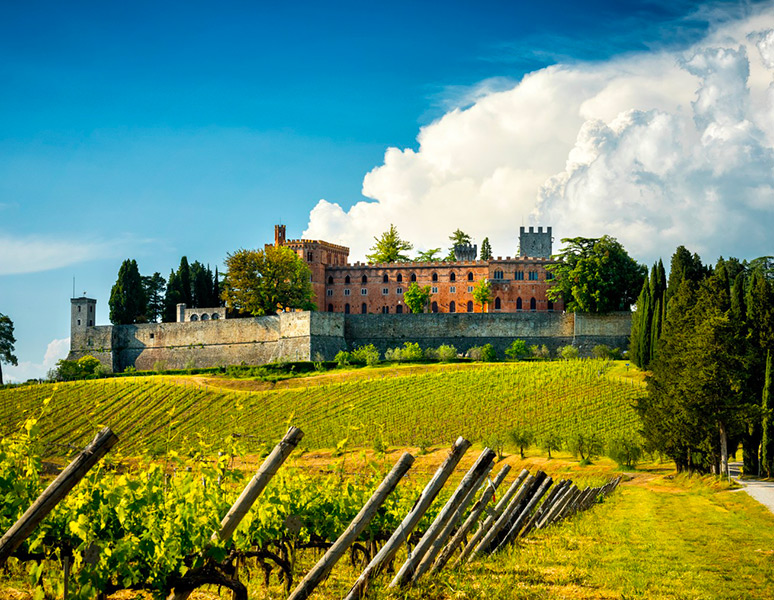
Chianti Classico Wine Tour
Join a Chianti Classico wine tour. Visit boutique wineries, explore medieval towns, and enjoy a Tuscan lunch with wine pairings in the heart of Chianti.
More Info
Chianti and San Gimignano Tour
Discover Chianti’s boutique wineries and San Gimignano in one unforgettable day. Wine tastings, local cuisine, and Tuscan countryside views await.
More Info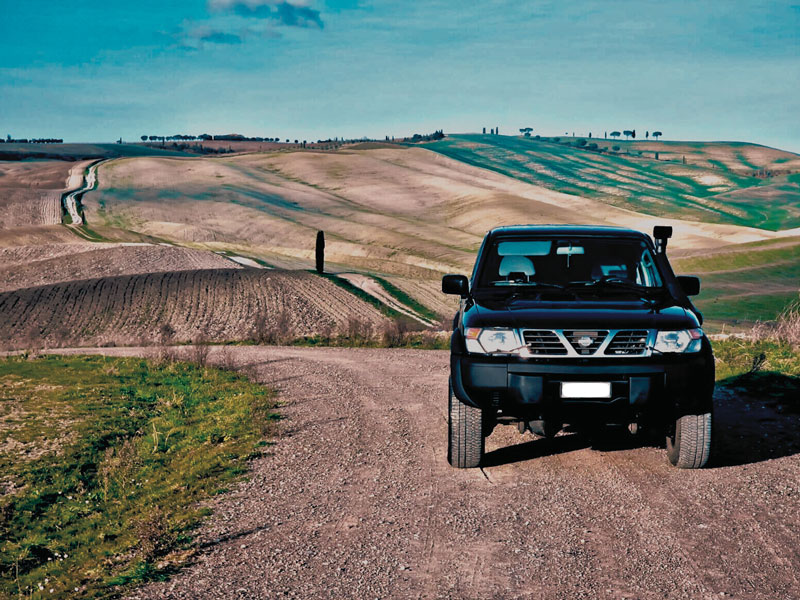
Off-Road Brunello or Chianti Tour
Join an off-road Tuscany tour: discover Chianti, Val d’Orcia, and Brunello, taste wines in wineries, and enjoy lunch in medieval villages.
More Info